

Zoysia Grass in Texas: Why It Outperforms Every Other Warm-Season Grass
Texas is known for extreme lawn conditions—long hot summers, unpredictable rainfall, heavy clay soils, and occasional winter freezes. Because of this, choosing the right grass is one of the most important decisions a homeowner can make. While Bermuda grass and St. Augustine are common across the state, more and more homeowners are switching to Zoysia grass for its durability, beauty, and long-term performance.
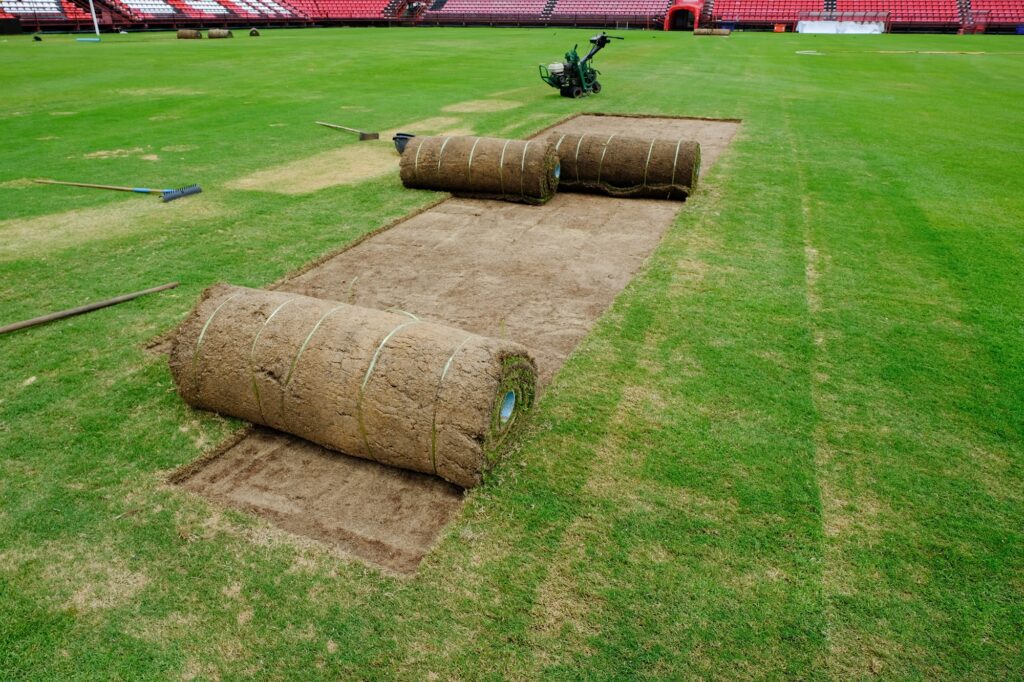
Zoysia grass has become a top-tier choice for Texas lawns because it offers a rare combination of density, shade tolerance, drought resistance, and low maintenance. Unlike many traditional warm-season grasses that excel in only one area, Zoysia performs well across multiple conditions, making it one of the most balanced turf options available.
In this guide, we’ll break down why Zoysia grass often outperforms other warm-season grasses in Texas and what makes it a smart long-term investment for your lawn.
What Makes Zoysia Grass Different?
Zoysia is a warm-season grass, meaning it thrives in hot weather and goes dormant during cooler months. However, what sets it apart is its growth structure and density.
Unlike Bermuda grass, which grows aggressively and requires frequent mowing, Zoysia grows more slowly and forms a thick, carpet-like surface. It spreads through both stolons (above-ground runners) and rhizomes (underground stems), allowing it to fill in bare spots over time.
This growth pattern creates a dense lawn that naturally blocks weeds and resists patchy growth. It also makes Zoysia more stable in varying soil and weather conditions, which is especially important in Texas.
Why Zoysia Performs So Well in Texas Climate
Texas weather can be harsh on lawns. High summer temperatures, water restrictions, and soil inconsistencies all create challenges for homeowners. Zoysia handles these conditions better than many other grass types because of its adaptability.
It performs well in both full sun and partial shade, depending on the variety. It also has a deep root system that helps it access moisture during dry periods. Once established, Zoysia requires less frequent watering compared to St. Augustine and maintains better density than Bermuda in shaded areas.
Another major advantage is its ability to recover slowly but steadily. While it may not bounce back as quickly as Bermuda after damage, it tends to maintain structure and coverage better over time.
Zoysia vs Bermuda Grass
Bermuda grass is often considered the standard warm-season grass in Texas, but it has limitations.
Bermuda grows very fast and recovers quickly from damage, which is useful for athletic fields and high-traffic areas. However, it requires frequent mowing, heavy fertilization, and full sun exposure to stay healthy.
Zoysia, on the other hand, offers a more balanced approach.
Key differences include:
- Zoysia grows slower but requires less mowing
- Bermuda needs full sun; Zoysia tolerates partial shade
- Zoysia creates a denser, more carpet-like lawn
- Bermuda requires more frequent maintenance
For homeowners who want a cleaner, more refined lawn with less constant upkeep, Zoysia is often the better choice.
Zoysia vs St. Augustine Grass
St. Augustine is another common lawn grass in Texas, especially in shaded residential areas. While it performs well in shade, it has several weaknesses compared to Zoysia.
St. Augustine tends to be more susceptible to pests, disease, and winter damage. It also requires more water and does not create as dense of a lawn as Zoysia.
Zoysia offers:
- Better drought tolerance
- Stronger disease resistance
- Denser turf coverage
- More durability in foot traffic
Although St. Augustine can establish quickly, Zoysia provides better long-term stability and appearance.
Water Efficiency and Drought Resistance
Water usage is a major concern in Texas, especially during summer restrictions. One of the biggest advantages of Zoysia grass is its ability to conserve water once established.
Zoysia has a deep root system that allows it to pull moisture from lower soil levels. This makes it more resilient during dry periods compared to shallow-rooted grasses.
Once mature, Zoysia lawns typically require less frequent watering, especially when compared to St. Augustine. While it still needs irrigation during extreme heat, it is more efficient overall.
Proper watering practices include deep, infrequent watering rather than light daily watering. This encourages deeper root growth and improves drought resistance over time.
Shade Tolerance Advantage
One of the biggest limitations of Bermuda grass is its poor performance in shade. Even small amounts of tree cover can cause thinning or bare spots.
Zoysia performs significantly better in partial shade conditions. While it still prefers sunlight, many Zoysia varieties can thrive with limited sun exposure, making it ideal for residential yards with trees, buildings, or mixed lighting conditions.
This flexibility allows homeowners to maintain a consistent lawn appearance across different areas of their yard.
Maintenance Benefits of Zoysia Grass
Zoysia is often considered a “low-maintenance premium” grass. While it still requires care, it demands less frequent intervention than other grasses.
Maintenance advantages include:
- Less frequent mowing due to slower growth
- Reduced weed pressure due to dense coverage
- Moderate fertilization needs
- Fewer pest and disease issues
Because it grows slowly and evenly, Zoysia also maintains a cleaner appearance with less trimming and edging.
However, it is important to note that proper installation and early care are critical for long-term success.
Best Uses for Zoysia Grass in Texas
Zoysia is highly versatile and works well in a variety of residential and commercial settings.
It is commonly used for:
- Residential front and back lawns
- High-end landscaping projects
- Golf course fairways and roughs
- Parks and public spaces
- Moderate traffic yard areas
Its ability to balance beauty and durability makes it ideal for homeowners who want a long-lasting, attractive lawn without excessive maintenance.
Installation Matters More Than Grass Type
Even though Zoysia is a high-performance grass, installation quality plays a huge role in its success. Poor grading, compacted soil, or improper watering can limit its performance.
A proper installation should include:
- Leveling and grading for smooth surface
- Soil amendments for nutrient support
- Proper sod placement and tight seams
- Immediate and consistent watering schedule
When installed correctly, Zoysia establishes strong roots and delivers long-term performance that outlasts many other turf types.
Zoysia grass stands out in Texas because it delivers a rare combination of durability, beauty, and efficiency. While Bermuda grows faster and St. Augustine handles deep shade better, Zoysia offers the best overall balance for most residential lawns.
It requires less mowing, uses water more efficiently, and creates a dense, attractive lawn that holds up well in Texas conditions. For homeowners looking for a long-term lawn solution that improves curb appeal and reduces maintenance, Zoysia is one of the smartest choices available.
Frequently Asked Questions (FAQs)
1. Why is Zoysia grass better than other warm-season grasses in Texas?
Zoysia grass performs better in Texas because it offers a balance of durability, shade tolerance, and drought resistance. It creates a dense lawn that requires less mowing than Bermuda and handles stress conditions better than many other turf options.
2. How often should Zoysia grass be watered in Texas?
Once established, Zoysia grass typically needs deep watering about 1 to 2 times per week depending on heat and rainfall. During establishment, it requires more frequent watering to help roots develop properly.
3. Does Zoysia grass need a lot of maintenance?
No, Zoysia is considered a low to moderate maintenance grass. It grows slowly, requires less mowing, and needs only moderate fertilization compared to faster-growing grasses like Bermuda.
4. Can Zoysia grass grow in shade?
Yes, certain Zoysia varieties can tolerate partial shade. While it still prefers sunlight, it performs better in shaded residential areas than Bermuda grass, which struggles without full sun.
5. How long does Zoysia grass take to establish?
Zoysia grass typically takes one full growing season to fully establish. It grows slowly at first but becomes dense and strong over time when properly installed and maintained.
Need Professional Zoysia Installation in Texas?
If you’re ready to upgrade your lawn with premium Zoysia sod installed correctly for Texas conditions, our team is here to handle everything from start to finish. We specialize in Zoysia sod installation, lawn leveling and grading, soil preparation and amendments, and full lawn replacement and transformation. Our goal is to deliver a professionally installed lawn that is built for long-term performance, beauty, and durability. Call Today at 469-802-0424.