

How to Remove Bermuda Grass Before Installing Zoysia Sod
Installing Zoysia sod over surviving Bermuda grass is the single most common cause of Zoysia installation failure in North Texas. Bermuda does not disappear after being covered. It pushes through new sod aggressively, competes with the establishing Zoysia roots, and creates the patchy, weedy mess that makes homeowners think the Zoysia itself failed. The grass that failed was not the Zoysia. It was the installation.
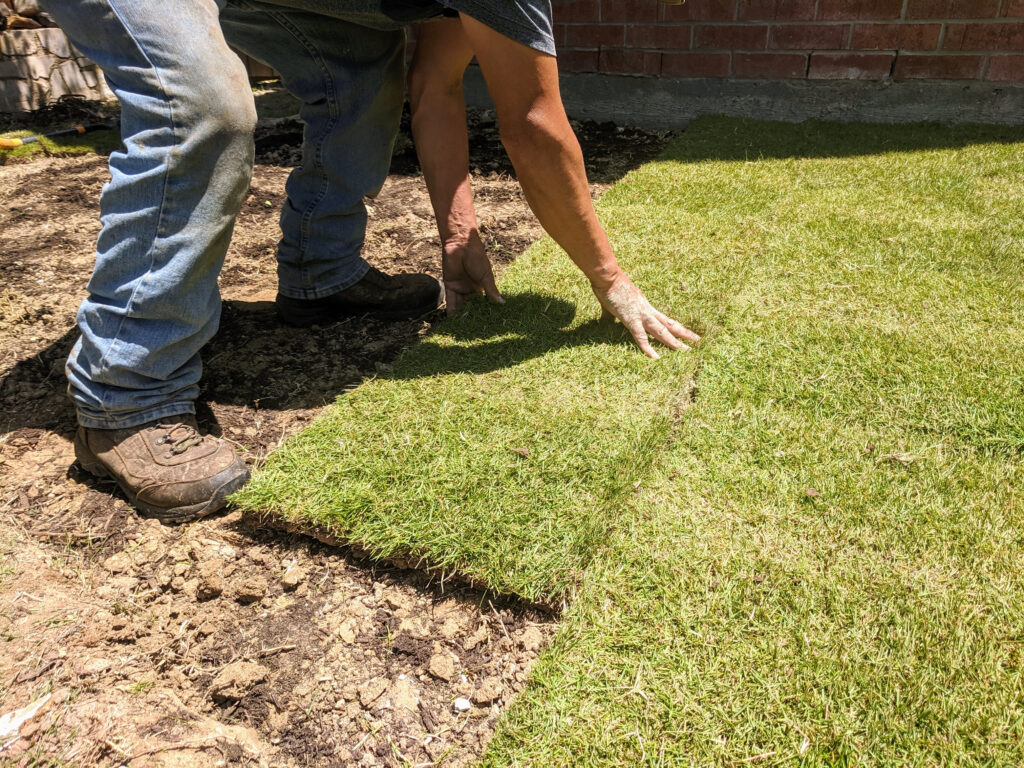
Proper Bermuda elimination before installation is not optional. It is the most important preparation step for any Zoysia installation on a property that currently has Bermuda grass. ZoysiaSod.com verifies Bermuda elimination on every installation we complete before any soil prep work begins.
Why Bermuda Is So Hard to Eliminate
Bermuda grass is one of the most persistent warm-season grasses in North Texas because of how it reproduces. It spreads through above-ground runners called stolons, below-ground runners called rhizomes, and seed production. A single Bermuda plant can produce all three. The rhizomes in particular are the problem: they can survive in the soil at depths of four to six inches, beyond the reach of many chemical treatments applied to the surface, and they can re-sprout after applications that killed the above-ground plant entirely.
This is why a single herbicide application rarely eliminates Bermuda completely. The above-ground plants die. The deep rhizomes survive. New growth emerges from those rhizomes two to four weeks later, and the cycle has to be repeated.
How Long Does Bermuda Removal Take?
A complete Bermuda elimination program before Zoysia installation typically requires four to eight weeks from the first herbicide application to the point where installation can proceed safely. This is not an obstacle to plan around. It is the preparation timeline that produces a Zoysia installation that actually works.
The timeline cannot be shortcut by increasing herbicide rates. Higher concentrations of glyphosate do not kill deeper rhizomes more effectively. They kill the same plant material with the same residual rhizome survival. The repetition of applications over time is what gradually depletes the rhizome bank in the soil.
The Standard Bermuda Elimination Process
Step 1: Allow Bermuda to Grow Before the First Application
This seems counterintuitive, but actively growing Bermuda absorbs herbicide more effectively than dormant or stressed grass. If possible, time the first herbicide application when the Bermuda is in active growth with green, healthy leaf material. For spring installations, April through May is ideal. For fall installations, late August through September.
If the Bermuda is struggling or semi-dormant when you are planning removal, apply irrigation to stimulate growth for two to three weeks before the first application. Healthy, actively growing Bermuda absorbs systemic herbicides most effectively.
Step 2: First Glyphosate Application
Glyphosate, the active ingredient in products like Roundup and many generic alternatives, is the standard herbicide for Bermuda elimination before sod installation. It is a non-selective, systemic herbicide that is absorbed through the leaf and translocated to the root system, including the rhizomes. This translocation is why it is more effective than contact herbicides that only kill above-ground tissue.
Apply glyphosate at the label-recommended rate for Bermuda grass on the entire area to be treated. Do not mow the Bermuda for at least one week before application, as you need maximum leaf surface for absorption. Do not water for 24 hours after application. Apply on a calm day with no rain expected.
Allow seven to ten days for the herbicide to fully translocate and produce visible browning across the treated area. Full browning confirms the above-ground material and surface rhizomes have been killed.
Step 3: Wait and Watch for Regrowth
After the Bermuda has browned following the first application, wait two to three weeks and watch for green regrowth. Regrowth will appear as new sprouts emerging from areas where deep rhizomes survived the first application. This regrowth is expected. It is not a sign that the treatment failed.
The regrowth needs to achieve a few inches of height before the second application. Allow it to grow to three to four inches to ensure maximum leaf surface for absorption.
Step 4: Second Application and Waiting Period
Apply glyphosate a second time to all regrowth. This application hits the rhizomes that survived the first treatment and are now sending up new growth. The combination of two applications typically eliminates 90 to 95 percent of Bermuda in most North Texas lawns.
After the second application, wait two to three weeks again and check for any remaining regrowth. If regrowth appears after the second application, a third treatment is required for heavily established Bermuda or properties with many years of Bermuda growth.
Step 5: Confirm Elimination Before Installation
Before scheduling the Zoysia installation, verify that no green Bermuda material remains across the full treatment area. This verification is the most important step. A missed section, even a small one in a corner or along a fence line, will produce Bermuda regrowth through the new Zoysia sod during the establishment period.
Physical Removal After Herbicide Treatment
After the Bermuda has been fully killed, the dead material needs to be removed before soil amendment and sod installation can proceed. This typically involves either sod cutting and removal, power raking, or a combination of both.
A sod cutter set at three-quarter to one inch depth removes the dead Bermuda mat, the thatch layer, and the top layer of soil containing the majority of rhizome material. The removed material is disposed of and not composted, as viable Bermuda rhizomes can survive composting.
The exposed soil surface after Bermuda removal is the starting point for the soil amendment and grading work that prepares the site for Zoysia sod placement. ZoysiaSod.com handles this complete sequence on every installation, from confirming Bermuda elimination through final sod placement.
Common Mistakes in Bermuda Removal
- Mowing before herbicide application: reduces the leaf surface available for absorption, lowering effectiveness.
- Single application assumption: one glyphosate treatment rarely eliminates all Bermuda. Plan for at least two.
- Installing too soon: if any Bermuda green material remains, postpone installation. The two to four weeks added to the timeline is worth it.
- Skipping the edges: Bermuda along fence lines, sidewalk cracks, and bed borders is the most commonly missed. These sections are also where regrowth appears first through new sod.
Bermuda Removal and Zoysia Installation Timing
For DFW homeowners who want Zoysia installed in spring, start the Bermuda elimination program in February or early March. This gives four to eight weeks for the elimination process before the optimal April-May installation window. For the full seasonal timing guide on Zoysia installation, see our complete timing guide. ZoysiaSod.com handles the confirmation of Bermuda elimination before every installation we complete. We do not lay sod on surviving Bermuda, and our written guarantee reflects the standard of preparation that produces results. Get a free satellite estimate at zoysiasod.com/quote or call 469-802-0424 to discuss your Bermuda removal and Zoysia installation project.