

Zoysia Grass Dormancy in North Texas: Brown Lawn Is Not a Dead Lawn
Every fall, ZoysiaSod.com receives calls from homeowners who are convinced their Zoysia grass is dying. The lawn looked green and full through October. Then the temperatures dropped, and within two to three weeks it turned from deep green to tan. By December, it is uniformly brown. The question is always the same: did something kill it, or is it supposed to look like this?
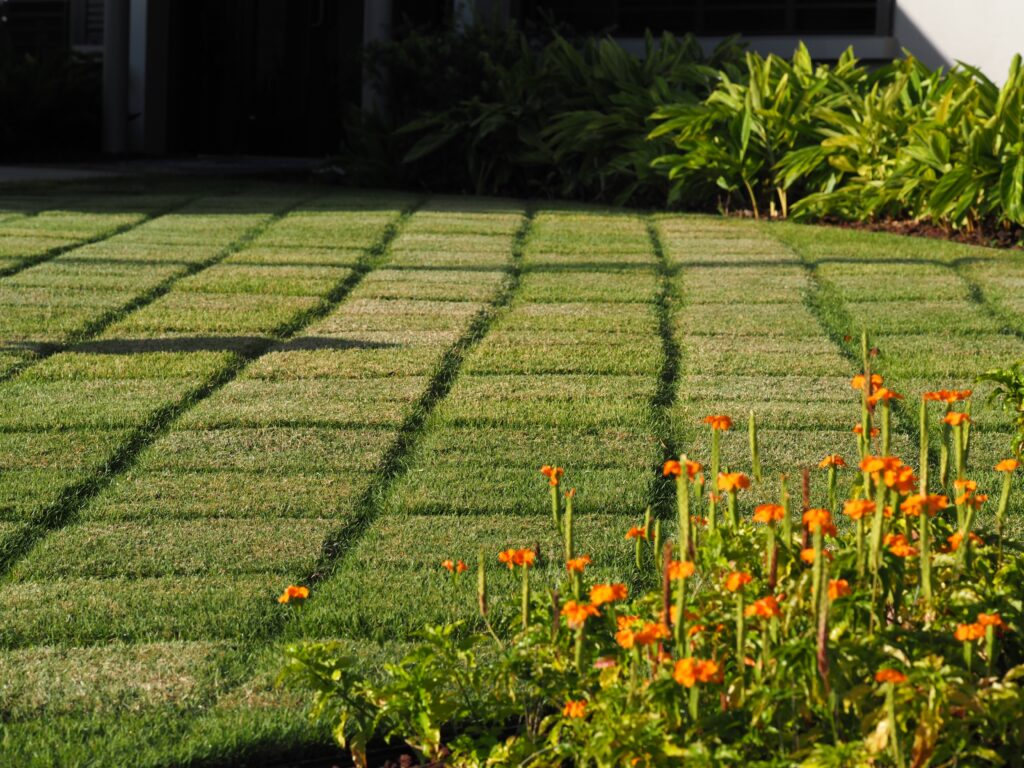
The answer, for the overwhelming majority of these calls, is that the lawn is doing exactly what Zoysia is supposed to do in North Texas winters. Dormancy is the biological process that allows warm-season grasses to survive cold, and Zoysia is one of the cleanest, most predictable dormancy performers of any warm-season grass available for DFW lawns.
What Dormancy Actually Is
Zoysia grass is a warm-season grass, which means it grows actively when soil temperatures are above 65 degrees Fahrenheit and goes into a protective dormant state when soil temperatures drop consistently below that threshold. Dormancy is not damage. It is a deliberate biological slowdown that redirects the plant’s energy from leaf production into root protection.
During dormancy, the above-ground leaf material dies back and turns tan to golden brown. The root system, which is what actually keeps the lawn alive, remains viable below the soil surface. The stolons and rhizomes that Zoysia spreads through also remain intact through dormancy. When soil temperatures warm again in spring, the lawn resumes active growth from those protected root systems.
When Does Zoysia Go Dormant in North Texas?
The dormancy timeline in North Texas varies by year depending on temperatures, but follows a consistent general pattern. Zoysia typically begins to show color change in late October or early November as days shorten and soil temperatures begin dropping toward the 65-degree threshold. The transition from green to fully dormant tan usually takes two to four weeks.
Full dormancy in most DFW areas occurs sometime between mid-November and late December depending on the year. Properties in northern Collin and Denton counties tend to go dormant slightly earlier than properties in southern Dallas and Tarrant counties due to the temperature gradient across the Metroplex.
When Does Zoysia Green Up Again in North Texas?
Zoysia green-up in North Texas typically occurs between mid-March and mid-April, depending on the year’s spring temperatures. The green-up is triggered not by calendar date but by soil temperature: when soil temperatures at two-inch depth consistently reach 65 degrees Fahrenheit, the root system resumes active growth and new leaf material emerges.
Green-up in North Texas is rarely uniform across the entire lawn at once. South-facing sections and areas with full afternoon sun green up first. Shaded sections, north-facing exposures, and areas under mature trees stay dormant longer. This is normal and does not indicate a problem with those sections.
The green-up period is also when the lawn looks its most patchy. The transition from fully dormant to fully green takes two to four weeks and looks uneven through most of that transition. By late April in a typical North Texas year, an established Zoysia lawn should be substantially green across all sun-exposed sections.
How to Tell Dormant Zoysia From Dead Zoysia
Dormant Zoysia is tan but structurally intact. The blades are dry and break cleanly when bent. The surface of the lawn has uniform color. When you part the blades and look at the crown near the soil surface, you should see green or cream-colored tissue, not black or gray.
Dead or severely damaged Zoysia looks different. The crowns at the soil surface are black, mushy, or absent entirely. The root zone when pulled shows no resistance and no healthy white root tissue. Large sections that do not green up by late April when surrounding sections have fully greened indicate areas where the grass did not survive the winter or where disease or drainage issues have killed the crowns below the surface.
A simple pull test: grab a handful of blades and pull. Dormant Zoysia resists because the crown is intact and attached to the soil. Dead grass releases easily because there is no living tissue holding it in place.
What to Do With a Dormant Zoysia Lawn in Winter
Dormant Zoysia requires very little management. Irrigation can be reduced to once per month or eliminated entirely during dormancy, as the lawn is not actively using water. Fertilization should stop completely by early September and not resume until the lawn is actively growing in late April or May. Applying nitrogen to a dormant Zoysia lawn does not produce growth. It creates the nutrient conditions that promote fungal disease when growth resumes in spring.
Mowing dormant Zoysia is not necessary and is not recommended. The brown blades provide some insulation for the crown and root zone. The one exception is if winter weeds like annual bluegrass or henbit establish in the dormant lawn, which may require a short mow to manage appearance.
The Dormancy Appearance Advantage Over Bermuda and Saint Augustine
One of the frequently overlooked benefits of Zoysia dormancy is how it looks compared to the alternatives. Bermuda grass during dormancy often browns unevenly, thins in the shaded sections it was already struggling with, and develops a rough, patchy texture that looks unmaintained. Saint Augustine in dormancy can retain some green color in mild winters but looks stressed and thin through most of the cold season.
Dormant Zoysia tends to hold its structure better. The tight lateral growth that makes Zoysia look dense in summer also holds its shape through dormancy. The tan color is consistent rather than patchy. A well-installed Zoysia lawn in winter dormancy often looks better than a poorly maintained Bermuda lawn in summer.
Spring Scalping: The Most Important Dormancy-Related Task
The single most important thing you can do for your Zoysia lawn coming out of dormancy is a spring scalp. In late March to early April, before active growth begins, mow the lawn lower than normal and bag all the clippings. This removes the previous season’s accumulated thatch layer and dead blade material, allowing sunlight to reach the crown and soil surface to warm faster. It is the most direct way to accelerate spring green-up and set the lawn up for a healthy growing season. For full detail on the thatch management that scalping supports, see our guide on lawn leveling and top dressing.
When Sections Do Not Green Up: What to Investigate
If a section of your Zoysia lawn fails to green up by late April when surrounding areas are fully green, these are the causes to investigate in order:
- Sunlight: Has the light available to that section changed due to tree growth or structure changes? Sections receiving less than three hours of direct sun will thin and eventually fail regardless of management.
- Drainage: Does that section stay wet after rain events? Waterlogged soil prevents root oxygen uptake and kills crowns over time.
- Disease: Large Patch fungal disease can kill sections of Zoysia during the fall and spring transition periods when soil temperatures are in the 60 to 70 degree range.
- Thatch: Excessive thatch holds moisture near the crown and can cause crown rot during wet winters.
ZoysiaSod.com — Installing Zoysia in DFW Since 2005
ZoysiaSod.com has been installing Zeon Zoysia and Palisades Zoysia across the Dallas-Fort Worth Metroplex since 2005. Our written guarantee covers every installation at zoysiasod.com/guarantee. If your lawn has sections that did not green up this spring and you are unsure whether the issue is salvageable or requires new sod, contact us. Get a free satellite estimate at zoysiasod.com/quote or call 469-802-0424.