

Zoysia Grass Fungus and Disease Pictures: How to Identify and Fix Them in DFW
Zoysia grass is more resistant to fungal disease than Saint Augustine and more resistant than Bermuda in over-fertilized conditions. But no warm-season grass is completely immune, and North Texas growing conditions including late-summer heat, clay soils that hold moisture, and the humidity that follows late-season rain events create conditions where fungal problems can and do appear on Zoysia lawns.
Knowing what you are looking at before you treat it is critical. The wrong fungicide applied to the wrong disease is money wasted. Here is what to look for and what to do.
Why Zoysia Gets Fungal Diseases
Fungal diseases in warm-season grasses are almost always triggered by one or more of the following conditions:
- Excessive nitrogen fertilization, especially late in the season
- Poor drainage and prolonged leaf wetness
- Thatch buildup that holds moisture near the soil surface
- Watering at night or in the evening
- Mowing too infrequently, leaving a tall canopy that traps moisture
The good news about Zoysia is that it produces significantly less thatch than other Zoysia types and comparable warm-season grasses when fertilized correctly. Over-fertilization is the most common self-inflicted cause of fungal problems in Zoysia. Three applications per year is all an established Zoysia lawn in North Texas needs. More than that, and you are creating the conditions that fungal diseases require.
The Most Common Zoysia Diseases in North Texas
Large Patch (Rhizoctonia solani)
Large Patch is the most common and most damaging fungal disease in Zoysia lawns across the DFW area. It appears as circular or irregular patches of yellowed, thinning turf ranging from a few inches to several feet in diameter. The edges of affected patches often have a characteristic orange or bronze coloration before the grass dies.
Large Patch is most active when soil temperatures drop below 70 degrees Fahrenheit in fall and again when they rise above 70 in spring. In North Texas, that means October through November and again in March through April are the highest-risk windows.
Treatment: Fungicides containing azoxystrobin, propiconazole, or myclobutanil are effective against Rhizoctonia. Apply preventatively in early fall before soil temperatures drop below 70 degrees for the most consistent results. Curative applications work but require higher rates and more frequent reapplication.
The Texas Plant Disease Handbook published by Texas A&M AgriLife Extension provides current fungicide recommendations by pathogen type and is the most reliable local reference for North Texas turfgrass disease management.
Brown Patch (also Rhizoctonia, different strain)
Brown Patch in Zoysia produces a similar pattern to Large Patch but tends to be smaller in size and appears during hot, humid conditions in summer rather than fall and spring. The affected areas have a brown, water-soaked appearance at the margins. Brown Patch is typically less severe in Zoysia than in tall fescue or Saint Augustine but can be significant during wet summers with poor air circulation.
Treatment is the same fungicide class as Large Patch. Address drainage and thatch issues alongside fungicide applications for lasting results.
Dollar Spot (Sclerotinia homoeocarpa)
Dollar Spot produces small, tan to silver-colored lesions roughly the size of a silver dollar on individual blades, with multiple spots that can merge into larger affected areas. It appears most commonly on lawns with nitrogen deficiency and low moisture. If you see Dollar Spot, your fertilization program may need adjustment, and the solution often involves a modest nitrogen application combined with a fungicide.
Fungicides containing chlorothalonil, propiconazole, or thiophanate-methyl are effective against Dollar Spot. Improving soil fertility and maintaining consistent moisture also reduces recurrence.
Rust (Puccinia species)
Rust in Zoysia produces orange or yellow powdery pustules on individual blades and gives the affected lawn an orange-tinted appearance from a distance. It tends to appear in late summer and early fall, particularly on lawns under stress from drought or shade. Rust is more common on slower-growing turf, which means lawns with low nitrogen, low light, or in late-season slowdown are most susceptible.
Treatment: A modest nitrogen application often reduces rust severity by stimulating new growth. Fungicides containing myclobutanil or azoxystrobin are effective for more serious infections.
Zoysia Grass Fungus Pictures: What Each Disease Looks Like
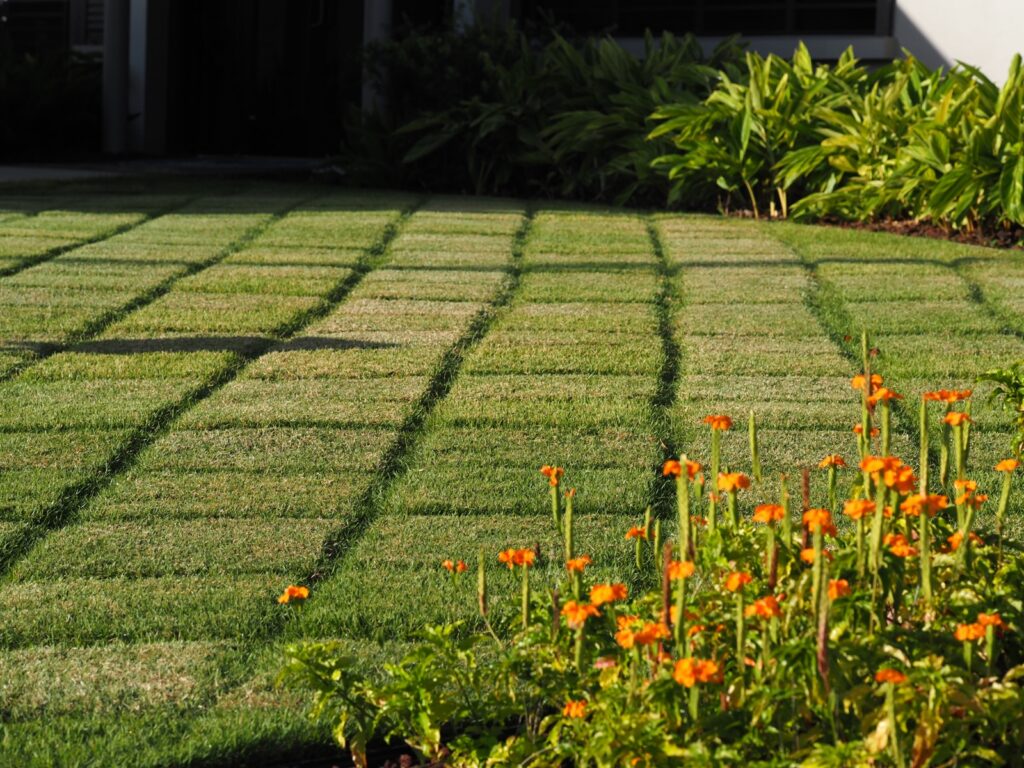
Most Zoysia fungus questions we get start with a phone photo and “what is this?” The four pictures below are from North Texas Zoysia lawns, one for each disease covered on this page. Compare the shape, color, and time of year to what you are seeing, then jump to the matching section for the fix.
Large Patch
Brown Patch

Dollar Spot

Rust

Not Sure Which One You Have?
Two quick checks narrow it down. Size: large patch is measured in feet, brown patch in a foot or two, dollar spot in inches. Season: large patch is a fall and spring disease, brown patch and dollar spot favor warm humid weather, and rust is a late-summer stress sign. If none of the four match, our Zoysia problems troubleshooting guide covers the non-fungal causes, from grubs to irrigation gaps, and our nitrogen and fungal disease post explains why fertilizer timing is the biggest lever you control.
Texas A&M’s AggieTurf zoysiagrass profile lists a low fertilization requirement as a strength of the species, and that is the whole prevention strategy in one line: keep nitrogen at 1 to 3 pounds per 1,000 square feet a year, water in the morning, and most Zoysia lawns in DFW never see any of these four.
Zoysia vs. Saint Augustine: Why Fungal Resistance Matters When Choosing a Grass
Saint Augustine grass is notoriously susceptible to Brown Patch, Take-All Root Rot, and Chinch Bug damage in North Texas conditions. These are not rare events. They are predictable annual problems for most Saint Augustine lawns in the DFW area, particularly in neighborhood situations where consistent watering is applied at night.
Zoysia is fundamentally more resistant to most of these pathogens. When managed correctly, specifically with conservative nitrogen applications and morning watering schedules, a Zoysia lawn can go years without a significant fungal event. That is not a guarantee, but it is a meaningful statistical advantage over Saint Augustine in the same growing conditions.
Preventing Fungal Disease in Your Zoysia Lawn
Prevention is significantly less expensive than treatment. The following practices reduce fungal risk on any Zoysia lawn in North Texas:
- Water in the morning only, never in the evening. Nighttime watering keeps leaves wet for extended periods and provides ideal conditions for spore germination.
- Mow at the recommended height of 1 to 2 inches and never remove more than one-third of the blade in a single mowing.
- Scalp and bag once per spring to remove thatch buildup before the growing season begins.
- Limit fertilization to three applications per year: spring, summer, and fall. Avoid fall nitrogen applications after September in North Texas.
- Improve drainage in areas that stay wet after rain events. Soil grading and aeration can address chronic moisture retention.
- Apply a preventative fungicide in early fall (late September) if your lawn has had Large Patch problems in prior years.
When to Call a Professional
If a fungal problem covers more than 20 to 25 percent of your lawn, or if it continues to spread after two fungicide applications, a professional turfgrass diagnosis is warranted. Some of what appears to be fungal damage may be root disease, nematode pressure, or grub activity that requires different interventions.
ZoysiaSod.com has been installing and supporting Zoysia lawns across the Dallas-Fort Worth area since 2005. If your Zoysia lawn is struggling and you are not sure what you are dealing with, contact us. For homeowners looking to replace a lawn that has been chronically diseased, we offer a complete supply-and-install service with soil preparation and variety selection guidance built into every project. Our written guarantee covers every installation and is available at zoysiasod.com/guarantee. Get a free project estimate at zoysiasod.com/quote or call 469-802-0424.