
If you live in Dallas or Fort Worth, you already know two things about lawn care. First, shade changes everything. Second, water restrictions are not just a suggestion. They show up every summer at the worst possible time.
When homeowners start dealing with thinning grass under trees or struggling to keep up with watering schedules, the question usually becomes this: should I stay with St. Augustine or switch to Zoysia?
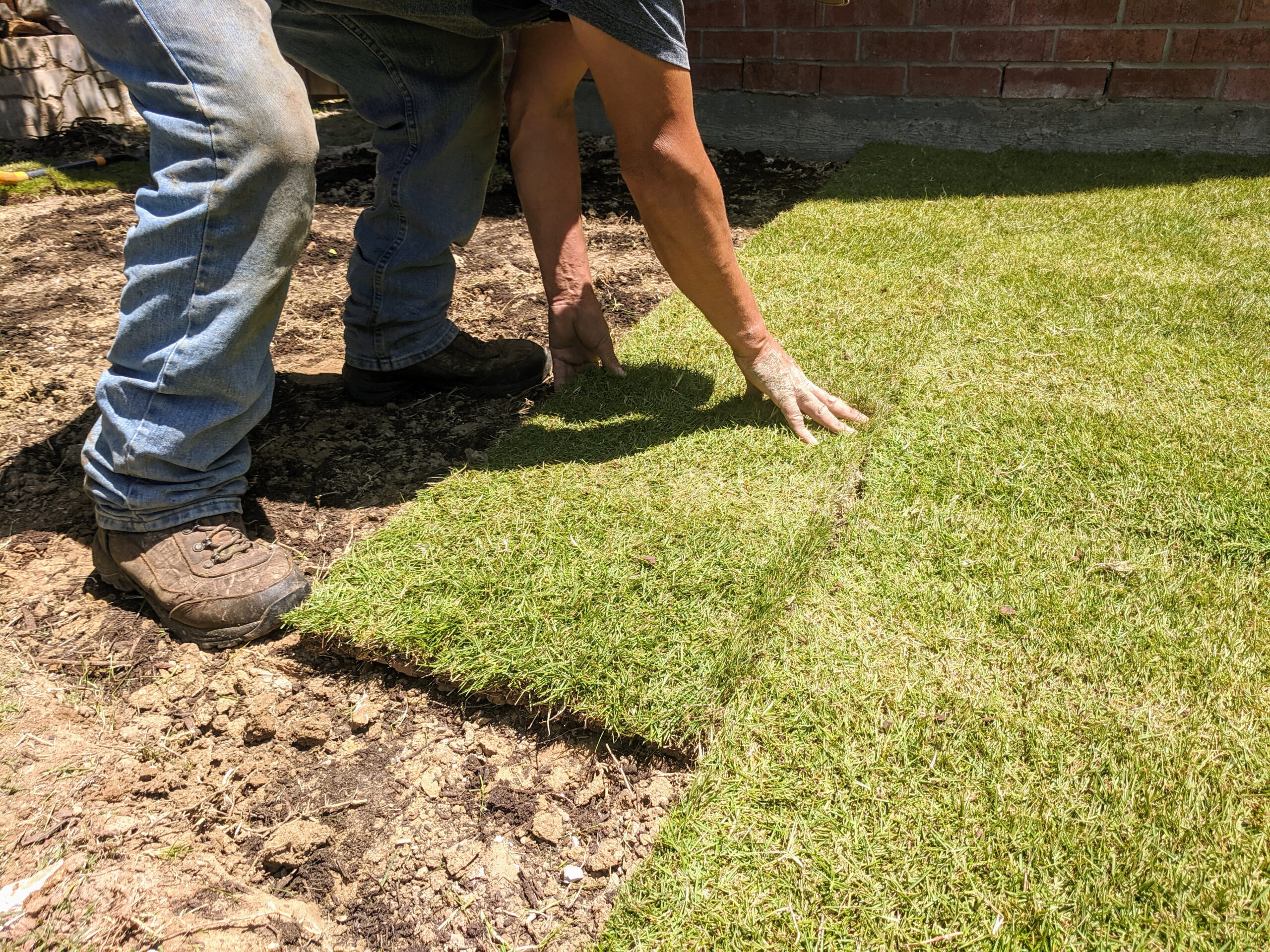
Both grasses grow well in North Texas. Both handle heat. Both go dormant in winter. But when you narrow the conversation to shade and limited watering, the differences start to matter. Let’s walk through it in plain terms so you can make the right decision for your yard long term.
Understanding Shade in Dallas and Fort Worth
Shade in North Texas does not look the same in every yard. Some homes get filtered sunlight through large oak trees. Others get heavy afternoon shade from fences, neighboring homes, or mature pecan trees.
Before choosing any grass, you need to ask one question: how many hours of direct sunlight does my yard get?
Most warm season grasses need consistent light to stay thick. Once sunlight drops too low, the lawn thins, weeds creep in, and frustration builds. Both St. Augustine and Zoysia handle shade better than Bermuda. That is why these two grasses usually compete in shaded neighborhoods.
St. Augustine in Shaded Yards
St. Augustine has been the go-to grass for shade in Texas for decades. Many builders install it in neighborhoods with large trees because it can survive where Bermuda fails.
Where St. Augustine Wins
- Strong shade tolerance: St. Augustine can grow in areas with fewer hours of direct sunlight. In deep shade situations, it often performs better than most other warm season grasses.
- Fast coverage: It spreads quickly through thick runners. That helps it fill in open areas faster.
- Thick appearance: When healthy, St. Augustine creates a full, wide blade look that many homeowners recognize.
If your yard has very heavy shade, St. Augustine can survive where other grasses struggle.
Where St. Augustine Struggles
- Water demand: St. Augustine typically needs more water to stay green and thick, especially during Texas summers.
- Disease pressure: Brown patch and other fungal problems show up more often in St. Augustine, especially in shaded, damp conditions.
- Aggressive spreading: Its long runners creep into flower beds, sidewalks, and neighboring lawns.
Under water restrictions, St. Augustine often becomes the first grass to show stress.
Zoysia in Shaded Yards
Zoysia offers a middle ground between Bermuda and St. Augustine. It handles partial shade better than Bermuda and usually demands less water than St. Augustine once established.
Where Zoysia Wins
- Balanced shade tolerance: Zoysia performs well in moderate shade. It does not need full sun all day, and many varieties thrive with several hours of direct light.
- Lower water needs: Once rooted, Zoysia handles dry periods better than St. Augustine.
- Dense growth: Zoysia grows tight. That density helps crowd out weeds and maintain a clean look.
- Fewer disease problems: Zoysia can still experience fungus, but it tends to handle moisture stress better than St. Augustine in many Dallas and Fort Worth yards.
For many homeowners facing partial shade and water limits, Zoysia feels more stable year after year.
Water Restrictions and Long Term Survival
Every summer, watering schedules tighten. Cities limit how often you can run irrigation systems. That is when lawns show their true nature.
St. Augustine Under Water Limits
St. Augustine struggles when watering becomes inconsistent. Its wide blades lose moisture quickly. Thin spots appear faster. Recovery requires patience and careful watering once restrictions ease.
In heavy shade, extra moisture combined with limited airflow can also increase disease risk.
Zoysia Under Water Limits
Zoysia handles drought better once it establishes deep roots. It may go slightly off color during dry spells, but it often rebounds more evenly when watering resumes.
Its dense canopy also shades the soil, helping retain moisture longer. For homeowners tired of fighting summer water stress, Zoysia often feels easier to manage.
Maintenance Differences That Matter
Shade and water are not the only factors. Day to day maintenance also shapes long term satisfaction.
Mowing
St. Augustine grows fast during peak season. It often needs frequent mowing to prevent it from looking uneven.
Zoysia grows slower vertically. You still mow regularly, but it does not shoot up as aggressively.
Fertilizer
St. Augustine often needs more feeding to maintain color and thickness. Too much fertilizer in shade can increase disease risk.
Zoysia typically requires less aggressive feeding and maintains density without heavy input.
Edging and Containment
St. Augustine runners move fast. You may find yourself trimming borders often. Zoysia spreads too, but more slowly and more predictably.
For homeowners looking to simplify maintenance, Zoysia usually demands less constant correction.
Appearance and Curb Appeal
This part comes down to personal preference, but it matters. St. Augustine has a wide blade. Some homeowners love that bold look. Others prefer a tighter, finer texture.
Zoysia, especially fine blade varieties, creates a smoother, more refined surface. Many people describe it as a premium look. If your goal is a lawn that stands out visually while handling shade, Zoysia often gets the nod.
Traffic and Family Use
Let’s be honest about how the yard gets used. St. Augustine handles moderate traffic but can thin in shaded areas with heavy wear. Zoysia handles moderate traffic well once established. It recovers slower than Bermuda but holds structure better than many St. Augustine lawns under partial shade.
If your yard doubles as a daily playground, both grasses can work. Just remember that deep shade plus heavy traffic challenges any turf.
Long Term Stability in DFW Neighborhoods
Here is what many Dallas and Fort Worth homeowners experience: They start with St. Augustine because it handles shade. Years later, water restrictions tighten and disease issues increase. They begin looking for something that holds up better under evolving conditions.
Zoysia often becomes the upgrade choice because it balances shade tolerance with better drought resistance. While St. Augustine still serves a purpose in extremely shaded yards, Zoysia provides a more balanced long term solution for many properties.
When St. Augustine Might Still Be the Right Choice
To be fair, St. Augustine still makes sense in certain cases. If your yard gets very limited sunlight and remains heavily shaded most of the day, St. Augustine may survive better.
If you prefer a wide blade texture and accept higher water use, it can perform well with consistent care. It remains a strong shade grass in the right environment.
When Zoysia Is the Better Long Term Investment
Zoysia makes the most sense when:
- You have moderate shade, not deep full shade
- You want better drought tolerance
- You want lower water demand over time
- You prefer a tighter, premium appearance
- You want fewer disease headaches
For many homeowners in Dallas and Fort Worth, that combination makes Zoysia the stronger long term choice.
FAQs About Zoysia vs St. Augustine in Dallas and Fort Worth
Which grass handles shade better?
St. Augustine handles deep shade slightly better. Zoysia performs very well in moderate shade.
Which grass uses less water?
Zoysia generally requires less water once established.
Is St. Augustine more prone to disease?
Yes. St. Augustine often experiences more fungal issues in shaded and damp conditions.
Does Zoysia grow slower than St. Augustine?
Yes. Zoysia grows slower vertically and spreads more gradually.
Which grass looks more refined?
Fine blade Zoysia varieties typically create a smoother, more premium look.
If you are ready to upgrade to a thicker, more drought-tolerant lawn in Dallas or Fort Worth, Zoysia Sod specializes in professional Zoysia installations designed for North Texas conditions. Call [phone] to get started.