
If you live in Dallas or Fort Worth, choosing the right grass is not a small decision. Texas weather tests every lawn. Long summers, heavy clay soil, water restrictions, surprise freezes, and growing tree shade all play a role.
Many homeowners simply accept whatever grass came with the house. A few years later, they start asking questions. Why does my lawn thin out? Why do weeds keep showing up? Why does it look great in one part of the yard and terrible in another?
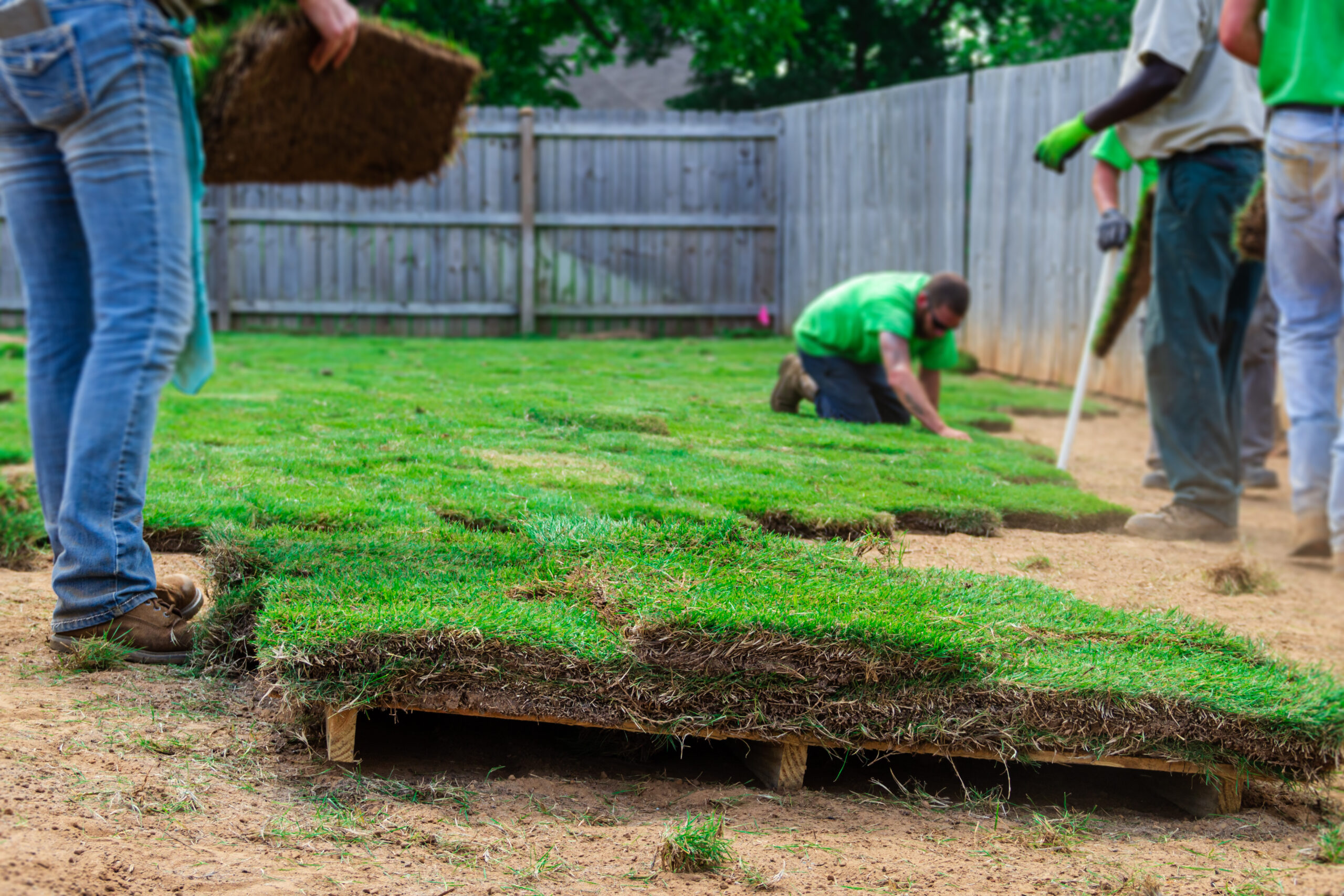
The answer usually comes down to grass type.
This guide breaks down the most common grass options for North Texas and gives you a realistic look at what works, what struggles, and what truly holds up long term.
First, Know Your Yard Before Choosing Grass
Before comparing grass types, step outside and look at your yard.
Ask yourself:
- How many hours of direct sunlight does it get?
- Do large trees block afternoon sun?
- Do kids and dogs use it heavily?
- Are you under regular watering restrictions?
- Do you care more about durability or appearance?
Every grass type has strengths. None perform perfectly in every situation.
Bermuda Grass
Bermuda dominates builder lawns in Dallas and Fort Worth. It handles heat well and spreads quickly.
Where Bermuda Performs Well
- Full sun exposure
- High traffic from kids and pets
- Fast recovery from wear
- Open areas without heavy shade
If your yard gets strong sunlight most of the day, Bermuda can look good and bounce back quickly from damage.
Where Bermuda Struggles
- Partial shade
- Mature neighborhoods with large trees
- Areas with inconsistent sunlight
- Containment along flower beds
As shade increases, Bermuda thins. Thin grass invites weeds. Homeowners often try more fertilizer or more water, but sunlight remains the main factor.
Bermuda also spreads aggressively. It creeps into beds and cracks in sidewalks. Keeping it in bounds requires attention.
St. Augustine Grass
St. Augustine has long been the go-to grass for shade in Texas.
Where St. Augustine Performs Well
- Yards with heavy shade
- Areas where Bermuda fails under trees
- Homeowners who prefer a wide blade look
St. Augustine spreads quickly and fills in bare spots faster than many other shade grasses.
Where St. Augustine Struggles
- Water restrictions
- Fungal disease in damp shade
- High fertilizer demands
- Cold sensitivity
St. Augustine often needs more water to stay green in summer. Under watering restrictions, it can show stress faster than other options. In shaded areas with heavy moisture, disease pressure increases. Many homeowners fight brown patch year after year.
Zoysia Grass
Zoysia sits between Bermuda and St. Augustine in many ways. It handles more shade than Bermuda and typically uses less water than St. Augustine once established.
Where Zoysia Performs Well
- Partial shade
- Neighborhoods with maturing trees
- Homeowners seeking a premium look
- Balanced family use
Zoysia grows dense and tight. That density helps crowd out weeds and maintain a smooth surface. Fine blade varieties offer a clean, polished appearance. Medium blade varieties handle deeper shade.
Where Zoysia Has Limits
- Extremely heavy traffic
- Very deep full-day shade
- Homeowners seeking the fastest recovery from damage
Zoysia grows slower than Bermuda. It repairs worn areas more gradually. For many families, this tradeoff works because the lawn stays thicker under shade.
Buffalo Grass
Buffalo grass sometimes enters the conversation for drought tolerance.
Where Buffalo Grass Performs Well
- Low water conditions
- Minimal maintenance expectations
- Open sunny areas
Where Buffalo Grass Struggles
- Shade
- High traffic
- Thick, carpet-like appearance
Buffalo grass can survive dry periods, but it rarely creates the dense, polished look most North Texas homeowners want in suburban neighborhoods.
Tall Fescue in Texas
Some homeowners consider tall fescue, especially in transitional zones.
Where Tall Fescue Performs Well
- Cooler climates
- Moderate shade in northern states
Where Tall Fescue Struggles in North Texas
- Extreme summer heat
- Long drought periods
North Texas summers challenge cool-season grasses. Tall fescue may survive with heavy watering, but it rarely thrives long term in Dallas and Fort Worth without constant attention.
Shade Comparison
Shade is one of the biggest factors in North Texas lawn performance.
- Deep shade: St. Augustine performs best.
- Moderate shade: Zoysia performs very well.
- Full sun: Bermuda performs best.
As neighborhoods age and trees grow, many lawns shift from full sun to partial shade. That is often when homeowners move from Bermuda to Zoysia.
Water Use Comparison
Water restrictions are common in Dallas and Fort Worth.
- Bermuda handles drought but may brown quickly.
- St. Augustine usually requires more consistent watering.
- Zoysia holds moisture well once established and often needs less frequent watering than St. Augustine.
Homeowners looking for a balance between shade tolerance and water efficiency often land on Zoysia.
Maintenance Differences
Maintenance affects long-term satisfaction.
Mowing
Bermuda grows quickly in peak summer. Frequent mowing keeps it neat. St. Augustine also grows fast and can look uneven if ignored. Zoysia grows slower vertically. Many homeowners find mowing feels more manageable.
Edging
Bermuda spreads aggressively. Expect frequent edging. St. Augustine sends long runners into beds. Zoysia spreads, but more slowly and predictably.
Disease
Shaded, damp lawns often create fungal issues in St. Augustine. Zoysia can still get fungus, but it tends to handle moisture better in many North Texas yards.
Appearance and Curb Appeal
Let’s be honest. Most homeowners want their lawn to look great. Bermuda can look clean in full sun, especially higher-quality varieties. St. Augustine offers a bold, wide blade look that some homeowners like.
Zoysia often delivers the most refined appearance. Fine blade Zoysia creates a smooth surface that stands out in residential neighborhoods.
If curb appeal matters and your yard gets at least moderate sunlight, Zoysia frequently becomes the premium choice.
Long-Term Reality in Dallas and Fort Worth
Many homeowners start with Bermuda because it comes standard. Years later, trees grow and sunlight decreases.
Bermuda thins. They consider St. Augustine but worry about water use and disease. They discover Zoysia offers a middle ground that handles partial shade and water limits more comfortably. That pattern explains why Zoysia continues gaining popularity across North Texas.
Honest Take: Which Grass Wins?
There is no universal winner. It depends on your yard.
Choose Bermuda if:
- You have full sun all day.
- You expect heavy wear.
- You want fast recovery.
Choose St. Augustine if:
- You have very heavy shade.
- You accept higher water use.
Choose Zoysia if:
- You have partial shade.
- You want a premium look.
- You want balance between durability and water efficiency.
- You plan to stay in the home long term.
For many Dallas and Fort Worth homeowners, Zoysia checks the most boxes.
FAQs About Grass Types in Dallas and Fort Worth
What is the best grass for shade in North Texas?
St. Augustine handles deep shade best. Zoysia performs very well in moderate shade.
Which grass uses the least water?
Buffalo grass uses very little water, but Zoysia often balances water efficiency with better appearance.
Is Bermuda good for families with dogs?
Yes. Bermuda recovers quickly from heavy traffic.
Does Zoysia grow slower than Bermuda?
Yes. Zoysia grows slower vertically and spreads more gradually.
Which grass looks most premium?
Fine blade Zoysia varieties typically create the smoothest, most refined look.
If you want a lawn that handles partial shade, water restrictions, and still delivers a premium look in Dallas or Fort Worth, Zoysia Sod specializes in professional Zoysia installations built for North Texas conditions. Call [phone] to get started.