
Drive through neighborhoods in Dallas and Fort Worth and you will start to notice something. Some lawns look good. Others look sharp, thick, and almost carpet-like. They hold their color better through summer. They look clean along sidewalks. They stand out without looking flashy.
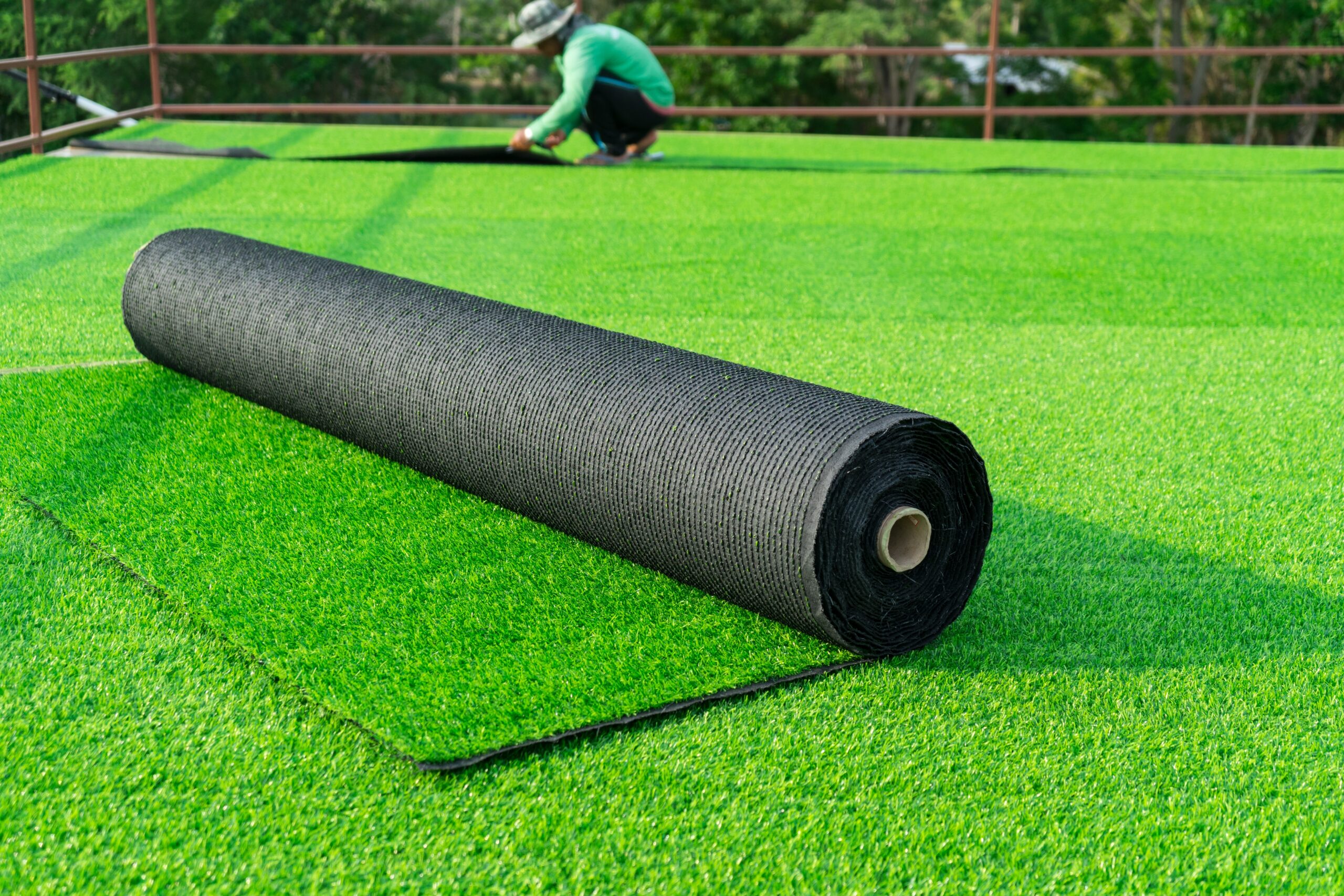
Chances are, those standout lawns are Zoysia.
Over the past several years, more North Texas homeowners have started upgrading from standard builder-grade grass to Zoysia sod. It is not a trend driven by hype. It is happening because of how Zoysia performs long term in our climate.
Let’s break down why Zoysia sod is becoming the premium lawn choice in North Texas and whether it makes sense for your yard.
North Texas Is Tough on Lawns
Before talking about grass types, it helps to talk about conditions.
Dallas and Fort Worth lawns deal with:
- Intense summer heat
- Clay-heavy soil
- Sudden cold snaps
- Water restrictions
- Expanding tree shade in established neighborhoods
Many homeowners install what comes standard, then realize a few years later that their yard does not look the way they hoped. Trees grow. Sunlight patterns change. Water rules tighten. That is when people start researching alternatives.
Builder Lawns vs Upgraded Lawns
Most new homes in North Texas come with common Bermuda. It works well in full sun, establishes quickly, and keeps costs down for builders. Bermuda has real strengths. It handles heavy traffic. It grows fast. It repairs quickly.
But as neighborhoods mature, shade increases. That is when Bermuda often thins out. Bare spots appear. Weeds sneak in. Homeowners try fertilizer, extra watering, and more mowing. Sometimes it helps. Sometimes it does not. That is when many people look at Zoysia.
Zoysia Offers a Different Look
One of the first things homeowners notice about Zoysia is texture. Fine blade Zoysia varieties create a smooth, tight surface. The grass grows densely, which gives it that high-end appearance. It looks clean when mowed properly. It stripes well. It frames sidewalks and driveways sharply.
Even medium blade Zoysia varieties feel more refined than many standard lawns. If curb appeal matters to you, Zoysia often delivers the kind of finish people associate with golf courses or professionally maintained properties.
Shade Tolerance That Fits Real Neighborhoods
In open fields, Bermuda wins the sunlight battle. But most Dallas and Fort Worth homes do not sit in open fields.
They sit next to:
- Two story homes
- Wooden fences
- Mature oak trees
- Neighboring trees
Zoysia handles partial shade much better than Bermuda. It does not need full sun all day to stay thick.
That shade tolerance makes a big difference five or ten years after installation. Instead of thinning as trees grow larger, Zoysia continues to perform. For many homeowners, that long-term stability is the deciding factor.
Water Restrictions Change the Game
North Texas regularly implements watering schedules. You cannot always run irrigation whenever you want. Zoysia develops a dense root system once established. That helps it handle dry periods better than many grasses. It may lose some color during extreme drought, but it tends to bounce back evenly once watering resumes.
St. Augustine can handle shade well, but it often requires more water to stay thick and green. For homeowners trying to balance lawn health with water restrictions, Zoysia often feels more forgiving.
Lower Maintenance Intensity Over Time
Zoysia grows slower vertically than Bermuda. That does not mean no mowing. It means more controlled growth. Bermuda can take off during peak summer and demand mowing twice a week to look clean.
Zoysia usually grows at a steadier pace. Many homeowners appreciate that they can maintain a polished look without constant cutting.
It also spreads more slowly than Bermuda, which reduces how often you need to edge flower beds and sidewalks. For busy families, that balance matters.
Weed Resistance Through Density
A thick lawn prevents weeds. Zoysia grows tightly packed. That density leaves less open soil for weeds to invade. Bermuda can also crowd out weeds in full sun. The difference shows up in shaded areas. When Bermuda thins, weeds gain ground.
Zoysia’s ability to maintain thickness under partial shade helps reduce long-term weed pressure. That does not mean zero weeds. It means fewer open invitations for them.
Disease Resistance in Shaded Conditions
Shade and moisture create the perfect environment for fungal problems. St. Augustine often struggles with disease in shaded, damp yards. Zoysia can still experience fungus, especially in spring. But it generally handles moisture stress better than many St. Augustine lawns.
In North Texas neighborhoods where shade and irrigation overlap, that difference adds up over time.
Durability for Real Life
Families use their yards.
Kids run. Dogs play. Friends gather.
Bermuda recovers from heavy traffic faster. That is one of its strengths. Zoysia does not repair as quickly, but it holds structure well under moderate traffic. Many homeowners find it strikes a good balance between durability and appearance.
If your yard serves as a daily sports field, Bermuda might win that category. If your yard sees moderate use and you value looks, Zoysia becomes more attractive.
Winter Performance
Both Bermuda and Zoysia go dormant in winter. Zoysia varieties often hold color slightly longer into fall. They also tend to green up smoothly in spring.
Neither grass stays green year-round without overseeding, but many homeowners feel Zoysia transitions more evenly.
Long-Term Property Value
A premium lawn does more than look good. It affects how your home feels. When buyers drive through neighborhoods, lawns matter. A thick, clean lawn suggests care and attention to detail.
Zoysia often creates that impression. Its dense surface and refined texture elevate the overall look of a property. For homeowners planning to stay long term or eventually sell, investing in quality turf can make a difference.
When Zoysia Might Not Be the Right Fit
To keep things honest, Zoysia is not perfect for every yard. If your property gets full sun all day and constant heavy traffic, Bermuda may recover faster. If you want the lowest upfront effort and do not care much about texture or finish, builder-grade grass may feel sufficient.
But for homeowners who want the best-looking lawn on the block and care about long-term performance in partial shade, Zoysia stands out.
Why More North Texas Homeowners Are Switching
- The pattern shows up repeatedly.
- Homeowners start with Bermuda.
- Trees grow. Shade increases.
- The lawn thins.
- They research alternatives.
They choose Zoysia for its shade tolerance, premium appearance, and balanced maintenance. A few years later, they wonder why they did not switch sooner.
That steady migration explains why Zoysia sod continues gaining popularity across Dallas and Fort Worth.
FAQs About Zoysia Sod in Dallas and Fort Worth
Why is Zoysia considered premium?
Zoysia offers a dense, smooth texture and performs well in partial shade, giving it a high-end look.
Does Zoysia handle shade better than Bermuda?
Yes. Zoysia performs much better than Bermuda in moderate shade.
Is Zoysia good during water restrictions?
Once established, Zoysia handles dry periods better than many common lawn grasses.
Does Zoysia require less mowing?
Zoysia grows slower vertically than Bermuda, so mowing often feels more manageable.
Is Zoysia durable for families?
Zoysia handles moderate traffic well and maintains structure under normal family use.
If you want a thicker, more shade-tolerant lawn that stands out in Dallas or Fort Worth, Zoysia Sod specializes in professional Zoysia installations built for North Texas conditions. Call [phone] to get started.