
If you live in Dallas or Fort Worth, you have probably stood in your yard and asked this question: should I go with Zoysia or Bermuda?
Both grasses grow well in Texas heat. Both turn brown in winter and green up in spring. Both can look amazing when maintained correctly. But they behave very differently over time. If you care about how your lawn looks five, ten, or fifteen years from now, the decision matters more than people realize.
Let’s break it down in simple, real-world terms so you can choose the grass that actually fits your yard and your lifestyle.
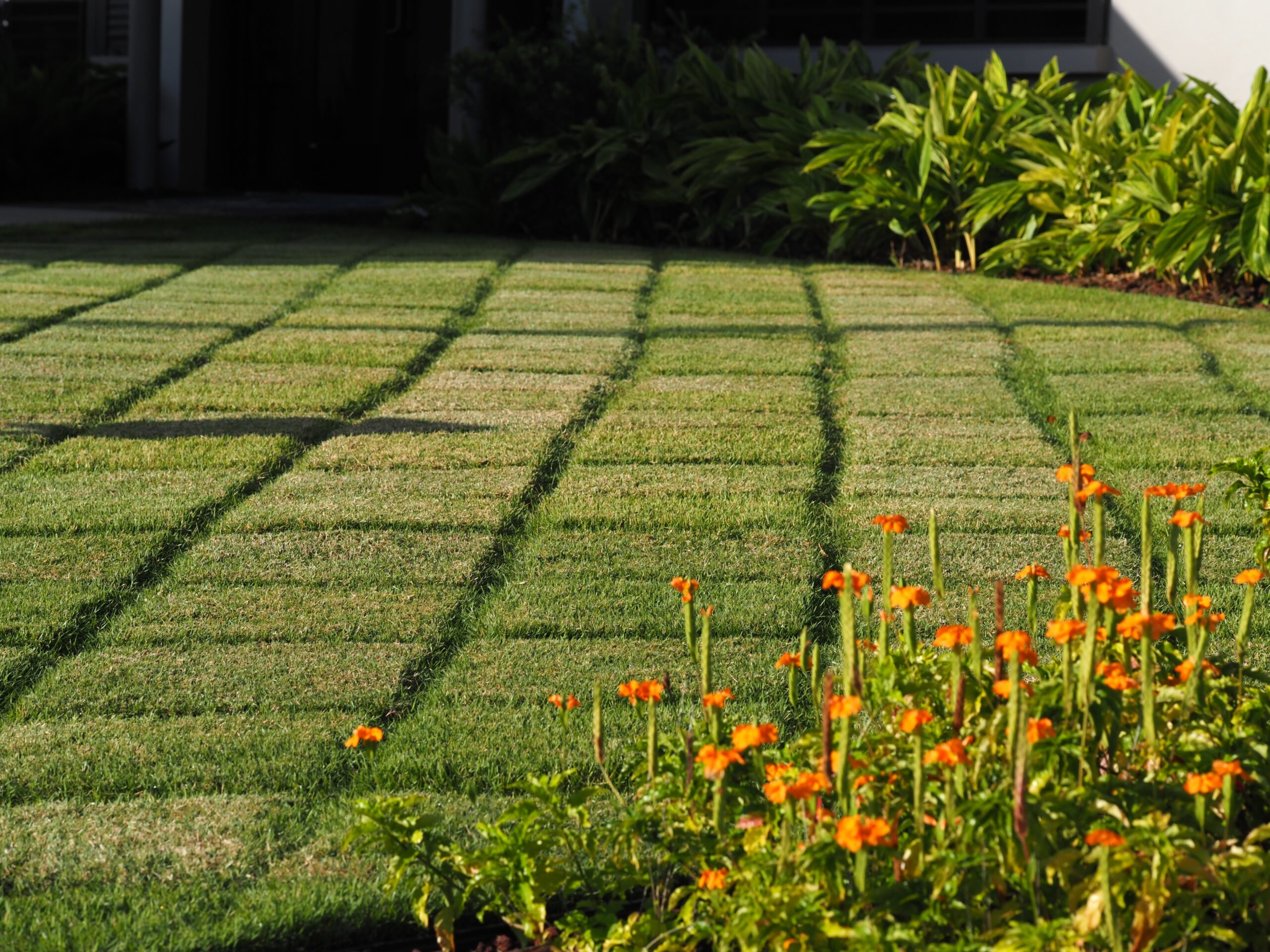
First, Let’s Talk About Texas Conditions
North Texas does not play around.
We deal with:
- Long, hot summers
- Sudden cold snaps in winter
- Clay-heavy soils
- Drought periods
- Shade from maturing trees
A grass that looks good in year one may not look good once trees grow larger or once maintenance habits settle in. That is where the long-term conversation begins.
Bermuda Grass in Texas
Bermuda dominates builder-installed lawns across Dallas and Fort Worth. If you buy a new home, chances are you get Bermuda.
Where Bermuda Wins
- Full sun performance: Bermuda loves sun. Give it six to eight hours of strong sunlight and it thrives.
- Fast recovery: Kids playing soccer? Dogs running daily? Bermuda repairs itself quickly. It spreads aggressively and fills in worn areas fast.
- Quick establishment: It roots quickly and spreads fast during growing season.
If your yard gets full sun all day and heavy foot traffic, Bermuda handles that well.
Where Bermuda Struggles
- Shade: Once trees mature and sunlight drops below five hours, Bermuda thins out. That is when homeowners start seeing bare patches and weeds creeping in.
- Invasiveness: Bermuda does not respect borders. It spreads into flower beds, sidewalks, and even neighboring lawns. Keeping it contained takes work.
- Texture and appearance: Some Bermuda varieties look clean and tight. Others look coarser. Builder-grade Bermuda often looks rough compared to premium turf.
Bermuda can look great. But it needs sun. Once shade increases, frustration begins.
Zoysia Grass in Texas
Zoysia grows slower than Bermuda but forms a thick, carpet-like surface. It sits between Bermuda and St. Augustine in terms of shade tolerance.
Where Zoysia Wins
- Shade tolerance: Zoysia handles partial shade much better than Bermuda. In Dallas and Fort Worth neighborhoods where trees keep growing, this matters long term.
- Density: Zoysia grows tight. That density helps crowd out weeds once established.
- Premium appearance: Fine-blade Zoysia varieties create a smooth, high-end look. Many homeowners choose it for curb appeal alone.
- Lower mowing frequency: Zoysia grows slower vertically than Bermuda. Many homeowners mow less often once it settles in.
Where Zoysia Has Limits
- Slower recovery: Zoysia does not bounce back from heavy wear as fast as Bermuda. If your yard doubles as a sports field, Bermuda may recover faster.
- Establishment patience: Zoysia takes time to root and settle in. You must water and care for it properly during installation.
Zoysia rewards homeowners who value appearance and long-term consistency over quick patch repair.
Long-Term Shade Reality in DFW
This is where the decision usually becomes clear. In North Texas, trees grow. Five years after planting, that sunny backyard may not stay sunny. Bermuda performs great in open fields. In residential neighborhoods with fences, homes, and trees, sunlight patterns change.
Many homeowners start with Bermuda and later replace it when shade increases. Zoysia handles those evolving light conditions better. It does not need full-day sun to stay thick and healthy. If your yard already has moderate shade or will likely have more in the future, Zoysia usually wins long term.
Maintenance Differences
Let’s talk about real-life upkeep.
Mowing
Bermuda grows fast in summer. You may mow twice a week to keep it clean.
Zoysia grows slower. You still mow regularly, but growth feels more controlled.
Fertilizer
Bermuda responds aggressively to fertilizer. That can mean more feeding to maintain color and thickness.
Zoysia often requires less aggressive feeding. It maintains density without being pushed hard.
Edging and containment
Bermuda creeps everywhere. You edge more often.
Zoysia spreads too, but slower and more controlled.
If you prefer lower maintenance intensity, Zoysia feels easier to manage over time.
Drought and Heat Performance
Both grasses handle Texas heat well once established. Bermuda handles drought aggressively. It can brown and bounce back quickly once watered. Zoysia also tolerates drought but holds moisture slightly longer due to its dense canopy.
In practical terms, both survive Texas summers. Proper irrigation matters more than grass type during extreme heat.
Winter Appearance
Neither Bermuda nor Zoysia stays green year-round in Dallas and Fort Worth without overseeding.Zoysia varieties often hold color slightly longer into fall and green up smoothly in spring.
Bermuda sometimes transitions more abruptly depending on weather. Neither grass wins dramatically here, but Zoysia often looks a little more uniform during transitions.
Pets and Traffic
This matters for many families.Bermuda handles heavy dog traffic better due to faster repair.Zoysia can handle moderate traffic, but heavy wear may show longer. If your yard serves as a daily dog park, Bermuda’s recovery speed gives it an edge. If your yard focuses on visual appeal and moderate use, Zoysia performs beautifully.
Weed Resistance
A thick lawn prevents weeds. Zoysia’s dense growth makes it difficult for weeds to break through once it fills in. Bermuda also crowds out weeds in full sun but can thin in shade, which invites problems. Long term, Zoysia often requires fewer corrective weed treatments in partially shaded yards.
Curb Appeal and Property Value
Let’s be honest. A big reason homeowners switch to Zoysia involves looks.
Zoysia offers:
- A softer texture
- Cleaner lines
- A tighter surface
- A high-end appearance
When properly maintained, Zoysia often stands out in neighborhoods filled with standard Bermuda lawns. If your goal is the best-looking lawn on the block, Zoysia usually wins that conversation.
So Which Grass Truly Wins Long Term?
Here is the honest answer for Dallas and Fort Worth homeowners:
If you have full sun all day and heavy traffic, Bermuda makes sense. If your yard has partial shade, maturing trees, or you want a premium look that stays consistent over time, Zoysia wins long term.
Many homeowners who replace Bermuda with Zoysia say the biggest difference is stability. The lawn looks better year after year instead of thinning as shade increases.
Bermuda excels in athletic fields and wide-open sunny spaces. Zoysia excels in residential neighborhoods with evolving light conditions and homeowners who value long-term beauty.
FAQs About Zoysia vs Bermuda in Dallas and Fort Worth
Which grass handles shade better in North Texas?
Zoysia handles partial shade much better than Bermuda.
Is Bermuda better for heavy dog traffic?
Yes. Bermuda recovers faster from heavy wear.
Does Zoysia require less mowing?
Zoysia grows slower vertically, so many homeowners mow slightly less often.
Which grass looks more premium?
Fine-blade Zoysia varieties usually create a smoother, higher-end appearance.
Will Bermuda thin out under trees?
Yes. As shade increases, Bermuda often struggles and things.
If you are ready to upgrade to a thicker, more shade-tolerant, premium lawn in Dallas or Fort Worth, Zoysia Sod specializes in professional Zoysia installations designed to last. Call 214-317-8301 to get started.