
Will Zoysia Grass Grow in the Shade? A North Texas Homeowner’s Guide
Yes, Zoysia grass grows in shade, and it is the best warm-season grass for shaded North Texas lawns. Zoysia needs a minimum of three hours of direct sunlight per day to maintain density and color, compared to five to six hours for Bermuda and four to five for most Saint Augustine varieties. For DFW homeowners with established trees that have reduced backyard sunlight over the years, this difference is the reason Zoysia holds where their current grass has failed.
The full answer depends on which Zoysia variety you install, how deep the shade actually is, and what is causing it. This guide covers all of it.
What Shade Tolerance Means for Grass
Shade tolerance in turfgrass refers to the ability of a grass species to maintain acceptable density, color, and growth rate at light levels below full sun. It is not binary. Grass does not either thrive in shade or die in shade. It performs on a spectrum based on the hours of direct sunlight it receives daily.
Direct sunlight and filtered or dappled light are not the same thing for grass. A lawn under a large live oak that receives four hours of bright filtered light through the canopy is not receiving four hours of direct sunlight. The grass responds to the intensity of light, not just its presence. For shade measurement purposes, only count hours when direct sunlight contacts the turf surface without canopy obstruction.
Zeon Zoysia Shade Performance
Zeon Zoysia is rated as having good to excellent shade tolerance in National Turfgrass Evaluation Program testing. It performs well in lawns receiving four or more hours of direct sunlight per day and maintains acceptable density down to approximately three hours.
Below three hours, Zeon begins to thin over time. The lateral spread that fills gaps and maintains density slows when light is insufficient to support the photosynthesis needed for active growth. A Zeon lawn that receives two and a half hours of direct sun will not fail immediately. But over two or three growing seasons, the thinning becomes visible as gaps develop and weed pressure increases.
For most DFW front lawns and open properties, Zeon is the appropriate choice. Front lawns facing south or west typically receive six or more hours of direct sun, well above Zeon’s threshold. It is primarily in backyards with established tree canopy where the sunlight calculation becomes important.
Palisades Zoysia Shade Performance
Palisades Zoysia provides the deepest shade tolerance of any Zoysia variety ZoysiaSod.com installs. Its low-light performance is comparable to Saint Augustine grass, which is the standard reference point for shade tolerance in North Texas turfgrass discussions. The critical difference from Saint Augustine is that Palisades achieves this shade performance without the fungal disease vulnerability and Chinch Bug susceptibility that make Saint Augustine high-maintenance in DFW conditions.
Palisades maintains full density in lawns receiving as little as three hours of direct sunlight per day. Research from Texas A&M AgriLife Extension turfgrass programs supports Palisades as the top-performing Zoysia variety in low-light residential applications in Texas. For North Texas properties with heavy afternoon shade from large pecan, oak, or elm trees, Palisades is the recommended variety.
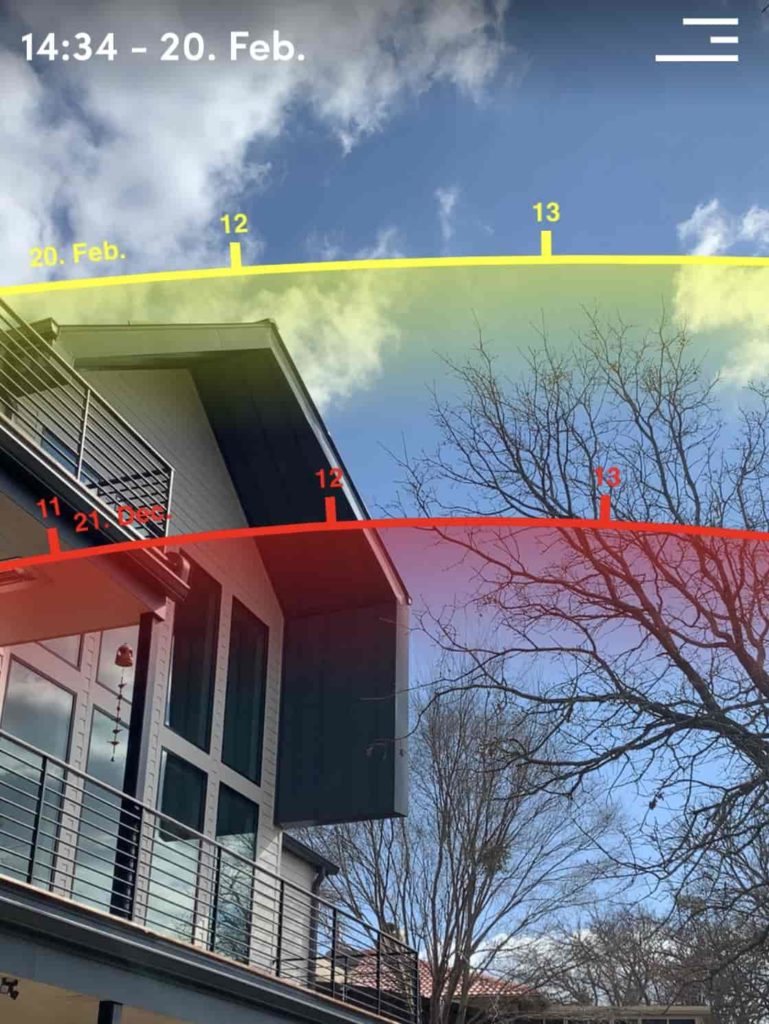
How to Measure Shade Hours Accurately on Your Lawn
Most homeowners underestimate the shade on their property. The estimate made at a casual glance, particularly in late morning when the sun is still high, does not reflect afternoon shade levels when the sun moves lower in the sky and tree canopy casts longer shadows.
The correct method: on a clear day during the growing season, check the lowest-light section of your lawn every hour from 8 a.m. to 6 p.m. and note whether direct sunlight is contacting the ground in that section. Do not count time when only filtered light comes through the canopy. Count only hours of direct ground contact. Do this on two or three separate days in May, June, and August, since sun angle changes significantly across the season and what the lawn receives in May may differ from what it receives in July.
The lowest-light section is what determines variety selection. If your worst shade section gets three hours and the rest of the lawn gets six, you need Palisades for the shade section, not Zeon. Installing Zeon throughout and hoping it holds in the three-hour section produces a lawn where the shaded areas thin out within two seasons.
What Happens When Zoysia Does Not Get Enough Sun
Zoysia below its minimum light threshold thins gradually rather than dying suddenly. In the first season, the thinning is subtle. Density decreases slightly, and the grass appears a bit less full than surrounding sections. By the second season, gaps appear as the lateral growth that fills those gaps slows to a pace that cannot keep up with natural dieback. By the third season, weed encroachment fills the gaps that the Zoysia can no longer cover.
The common mistake is to attribute this thinning to disease, pest activity, or irrigation problems. All of those are investigated and treatments applied, none of which address the actual cause. If the problem section is consistently in the same shaded area of the lawn and the thinning progresses despite intervention, light is almost certainly the issue.
Zoysia vs. Bermuda vs. Saint Augustine in Shade
Bermuda grass is essentially intolerant of shade. Below five hours of direct sunlight daily, Bermuda thins significantly. Below four hours, it fails to maintain presentable density in most residential applications. If your shaded lawn section currently has Bermuda, it is thinning because of the shade, and no management change will reverse that outcome.
Saint Augustine handles shade well, typically down to three to four hours depending on the variety. The problem for North Texas homeowners is the disease burden: Brown Patch, Take-All Root Rot, and Chinch Bugs are routine problems that require regular fungicide and insecticide applications to manage. The maintenance cost of keeping Saint Augustine healthy in DFW shade conditions is high.
Palisades Zoysia provides comparable shade performance to Saint Augustine without the disease vulnerability. ZoysiaSod.com has installed Palisades in hundreds of DFW backyards where Saint Augustine failed repeatedly from Brown Patch. The lawns hold, stay healthy, and do not require the intensive chemical management program that Saint Augustine demands.
Best Zoysia for Shade: Palisades First, Zeon Second
The best Zoysia for shade in North Texas is Palisades. It holds density and color with about three hours of direct sun per day, which is the lowest threshold of any variety we install, and it was developed by Texas A&M for Texas conditions. Zeon is second, comfortable at four or more hours and tolerating three. Below three hours, no Zoysia holds long term.
The reason comes down to species. Texas A&M AgriLife’s sod selection guide notes that Zoysia matrella types are more shade tolerant than Zoysia japonica types, and most named varieties are hybrids that lean one way or the other. Palisades is the one that has proven itself under DFW live oaks and pecans for two decades.
Zoysia Shade Tolerance Chart
| Variety | Minimum direct sun | Shade rating in DFW | We install it |
| Palisades | About 3 hours | Best | Yes |
| Zeon | 3 to 4 hours (4+ preferred) | Good | Yes |
| Emerald | Not installed here; published rating only | Better than Meyer, but thatch prone | No |
| Empire | Not installed here; published rating only | Moderate to good | No |
| Jamur | Not installed here; published rating only | Moderate | No |
| El Toro | Not installed here; published rating only | Better than Meyer | No |
| Meyer | Not installed here; published rating only | Moderate | No |
For reference, the University of Georgia’s lawn selection guide reports that some Zoysia cultivars maintain acceptable quality with as little as 4.0 to 4.5 hours of filtered to intermittent sunlight per day. Ratings for varieties we do not install are drawn from Clemson HGIC cultivar descriptions; our Palisades and Zeon figures come from 20 years of DFW installations.
How We Use Both Varieties on One Lot
Most shaded North Texas properties are not uniformly shaded. The front gets six hours, the side yard gets four, and the back under the trees gets three. We map it, put Zeon where the sun is and Palisades where it is not, and the two blend at the transition. Our Zoysia variety guide compares every option in more depth.
When Zoysia Is Not the Right Answer for Shade
If your lawn section receives less than two to three hours of direct sunlight daily, no warm-season grass will maintain acceptable density over the long term. At that light level, the honest recommendation is to consider alternatives: a shade-tolerant ground cover, mulched beds under the tree canopy, or in some cases, selective tree pruning to increase light penetration.
ZoysiaSod.com will tell you when a section of your property is too shaded for Zoysia rather than install sod that will fail. Part of the value of 20-plus years of North Texas installations is the ability to give an accurate assessment before the sod goes down rather than discovering the problem after. Our site evaluation includes a sunlight analysis and honest variety recommendation for every section of your property.
Installing Shade-Tolerant Zoysia in North Texas
ZoysiaSod.com installs Palisades Zoysia for DFW properties with shade challenges and Zeon Zoysia for full-sun and partial-sun applications. Many properties receive both varieties, matched to the light conditions on different sections of the same lawn. Every installation is a combined supply-and-install service that starts with soil preparation and precision grading.
Zoysia Shade FAQs
What is the best Zoysia grass for shade?
Palisades Zoysia. It holds with about three hours of direct sun, the lowest of any variety we install, and was developed by Texas A&M for Texas conditions.
How many hours of sun does Zoysia need?
A minimum of three hours of direct sunlight per day for Palisades, and four or more preferred for Zeon. Under three hours, no Zoysia holds density long term.
Is Zeon Zoysia shade tolerant?
Moderately. Zeon does well at four or more hours and tolerates three, but it thins over a few seasons at the low end. For real shade, Palisades is the better choice.
Will Zoysia grow under live oaks?
Often, yes, with Palisades. Live oaks cast dense shade, so we measure ground-level sun hours first. Lifting the canopy by pruning lower limbs frequently gets a backyard from two hours to three or four.
Does shaded Zoysia need less water?
Yes. Shaded sections dry slower and should be watered less often than full-sun sections. Overwatering shade invites fungus.
Is Zoysia or Saint Augustine better for shade?
Saint Augustine has a slight edge in the darkest shade, but Palisades performs comparably at three or more hours without Saint Augustine’s brown patch, chinch bug, and freeze problems.
Our written guarantee covers every project at zoysiasod.com/guarantee. Get a free satellite estimate at zoysiasod.com/quote and receive a 24-hour project quote. Call 469-802-0424 to discuss which variety is right for your North Texas lawn and how much shade your property actually has.